





TECH
14 Ways Local Government Can Cut Waste

Every Tax Dollar Should Work:
By JoAnn Fleming, Executive Director of Grassroots America: We the People and its signature project – the Texas Conservative Grassroots Coalition; self-term-limited former county commissioner with 34 years of experience in local government policies.
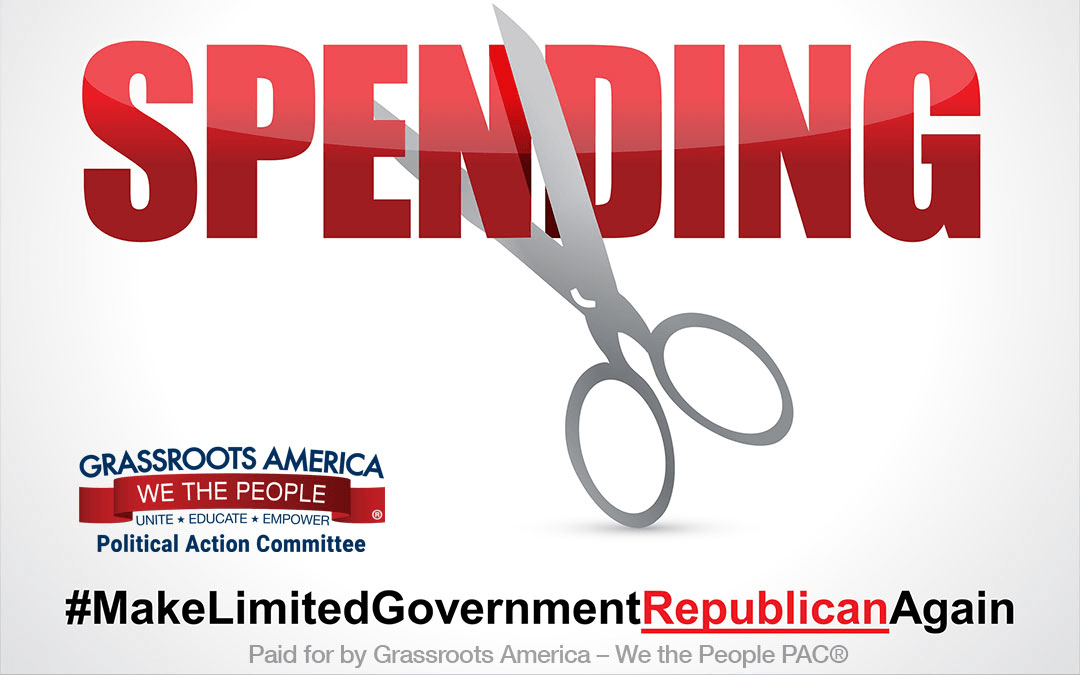
It accumulates quietly—in a contract no one revisits, a program that outlived its purpose, a paper process that should have gone digital years ago, or two offices paying separately for the same service.
Together, they can drain resources from roads, public safety, and other essential services.
Accumulated inefficiency, lazy governance, and sloppy management drive up your property tax bill!
The good news? Local leaders have practical options.
War Room Texas: Interface Editor Note: Credit to Grassroots America We The People | October 5, 2026
Here are 14 ways to make every tax dollar work harder.
Waste rarely arrives with a flashing sign.
9. Test the market—carefully. For services such as janitorial work or landscaping, compare in-house costs with competitive providers while protecting quality, reliability, and public accountability.
10. Invite the community to be a partner. Nonprofits and volunteers can strengthen appropriate public programs, extend their reach, and reduce costs without replacing essential professional services.
11. Put every contract back under the microscope. Price, performance, and necessity should be tested before renewal. “We’ve always used this vendor” is not a value-for-money standard.
12. Make travel prove its value. Approve out-of-county trips only when the public benefit is clear, use virtual options when practical, and set firm expense limits.
13. Let the public follow the money. A clear, searchable spending dashboard gives residents a direct view of where tax dollars go and gives officials another reason to spend carefully.
14. Make improvement part of the job. Cross-department teams should identify bottlenecks, question outdated habits, and bring forward savings ideas every quarter—not only during a budget crisis.
Efficiency is not the same as indiscriminate cutting.
It means protecting essential services by setting priorities, demanding evidence, eliminating duplication, and refusing to let inertia make spending decisions. The goal is simple: better public value from every dollar entrusted to government.
Now put your local government to the test:
Which of these practices are already in place?
Which one should your leaders tackle next?
Use the special forward button at the top of this email to share this article with someone who believes taxpayers deserve clear results and open books.
#CitizenFirst
#TaxpayerAccountability
Each expense may look small on its own.
8. Match the fleet to the mission. Sell underused vehicles, encourage staff sharing, favor fuel-efficient models, and compare leasing with purchasing instead of defaulting to business as usual.
7. Quit wasting energy. LED lighting, smart thermostats, and well-timed equipment upgrades can reduce recurring utility costs year after year.
6. Replace paperwork with simpler digital service. Online forms, payments, and records can reduce printing, postage, storage, and staff time—and make government easier for residents to use.
5. Use buying power. Counties and cities often purchase the same supplies and services. Joint agreements can turn fragmented orders into meaningful bulk savings.
4. Stop paying twice for the same support work. Shared IT, human resources, maintenance, or purchasing can reduce overhead while still serving every office effectively.
3. Ask whether yesterday’s program still solves today’s problem. Regular reviews can identify initiatives built around outdated goals or needs that no longer exist.
2. Pay for results, not routines. Put resources behind programs that can show measurable value. If a program cannot demonstrate results, leaders should improve it, scale it back, or end it.
1. Make every department earn its budget. Start at zero each year and require leaders to explain what every dollar will accomplish—not simply ask for last year’s funding plus more.

MAN AND WOMAN
FOR THE WORKING
Money
Now They Want Voters to Approve Another Way to Tax
just cuz it ain't here
don't mean we don't care
If you don't see yo topic,